From Seoul’s neon-lit streets to Jeju’s volcanic shores – your complete guide to ancient temples, modern wonders, Michelin-starred food, and K-beauty.
| FEATURE | BENEFIT TO THE TRAVELLER |
|---|---|
| Safety | Stress-free exploration for solo travellers and families. |
| Technology | Seamless navigation, payment, and translation. |
| Contrast | Experience 1,000-year history and 2050 technology in one day. |
| Nature | World-class hiking & volcanic landscapes (Jeju) via high-speed rail. |
| Dongseo Trail | 849km new hiking route across Korea's spine through untouched wilderness. |
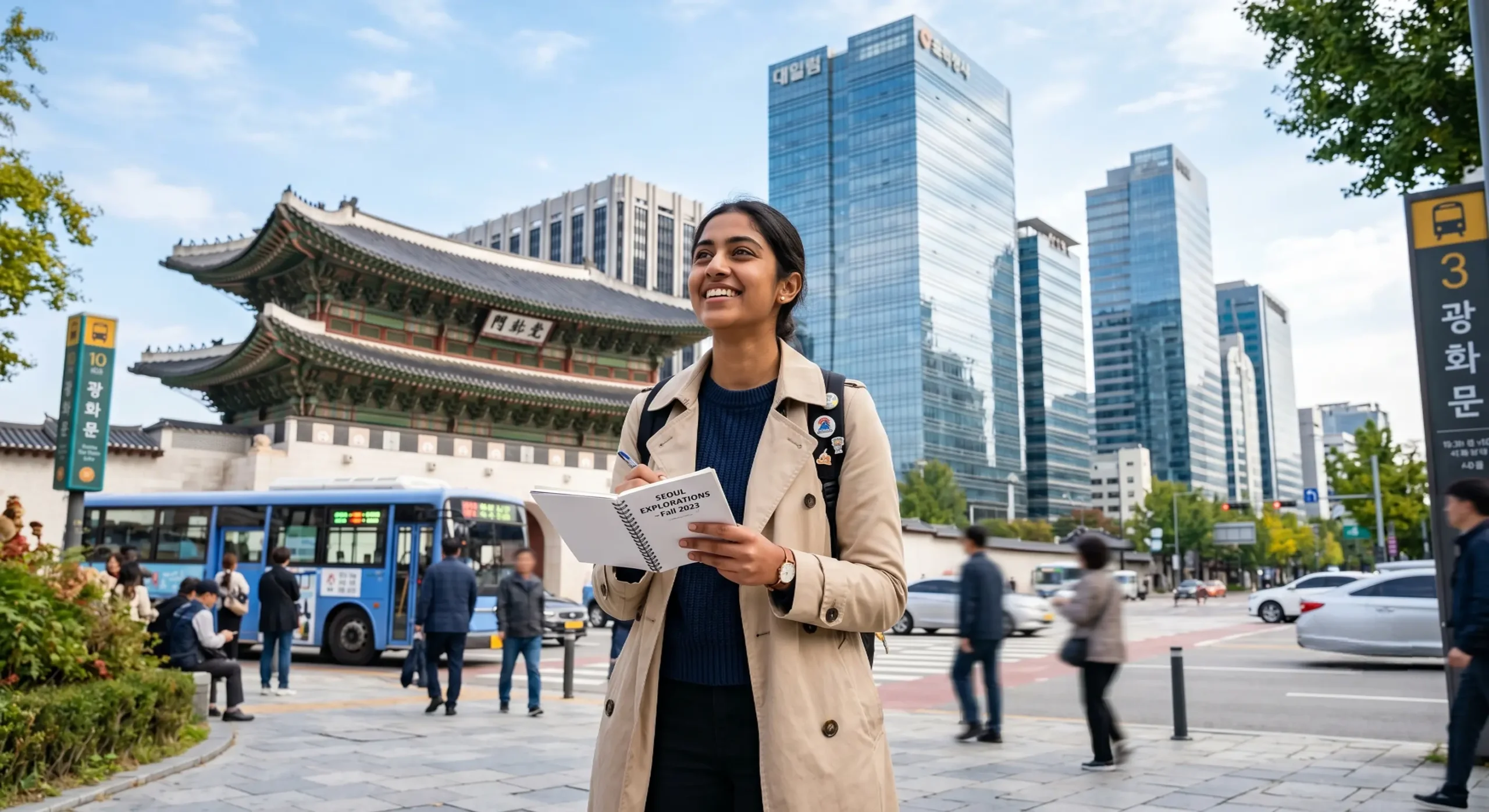
A mega-city where ancient palaces share the skyline with glass towers, and neon-lit street markets buzz until dawn.
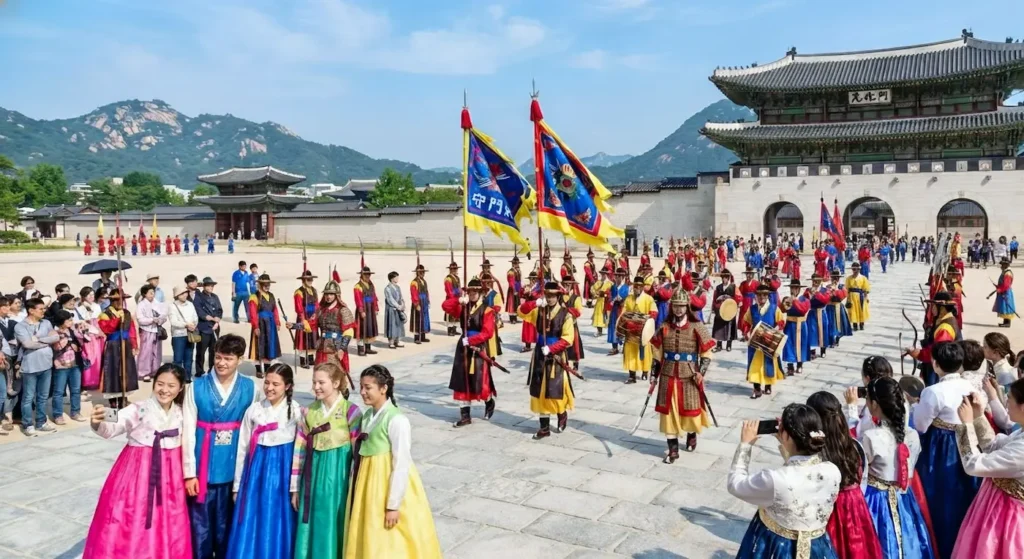
The largest of the five grand palaces. Royal Guard Ceremony: 10 AM & 2 PM daily. Free entry in Hanbok (rent nearby for ₩15,000–₩25,000).
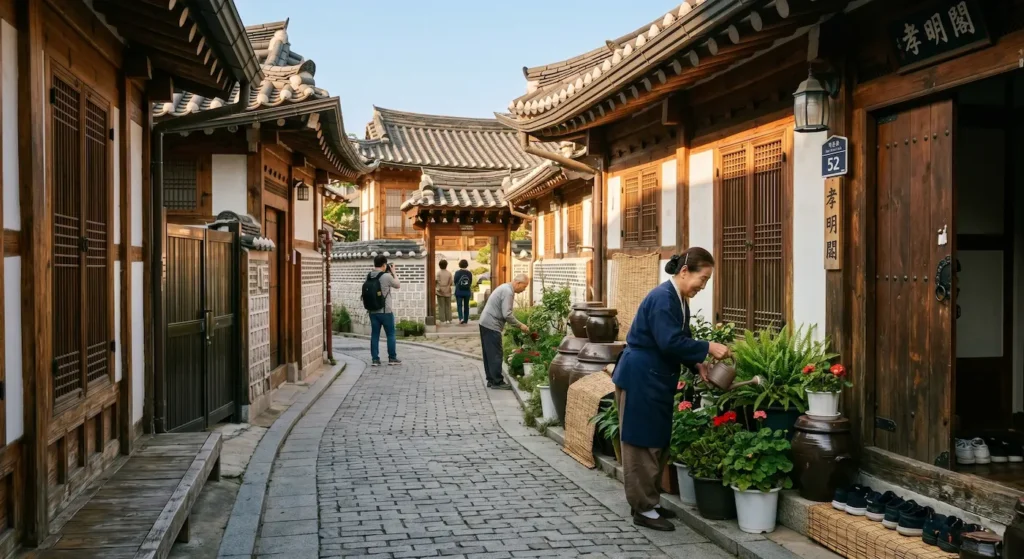
A neighborhood of traditional Korean houses where residents still live. Perfect for photography. Keep voices low to respect locals.
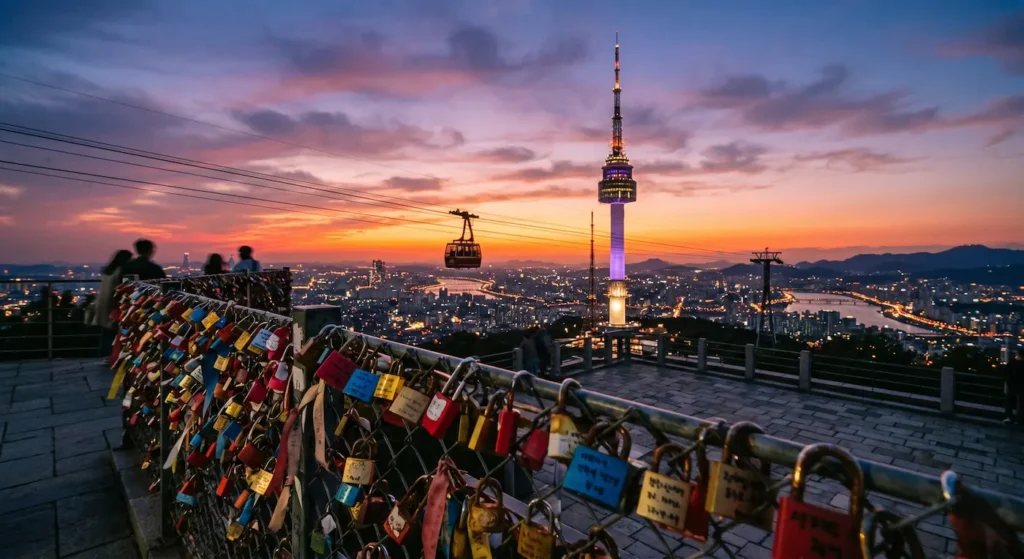
Atop Namsan Mountain. Take the cable car for 360° panoramic views. Particularly stunning at sunset. The love-lock fence is iconic.
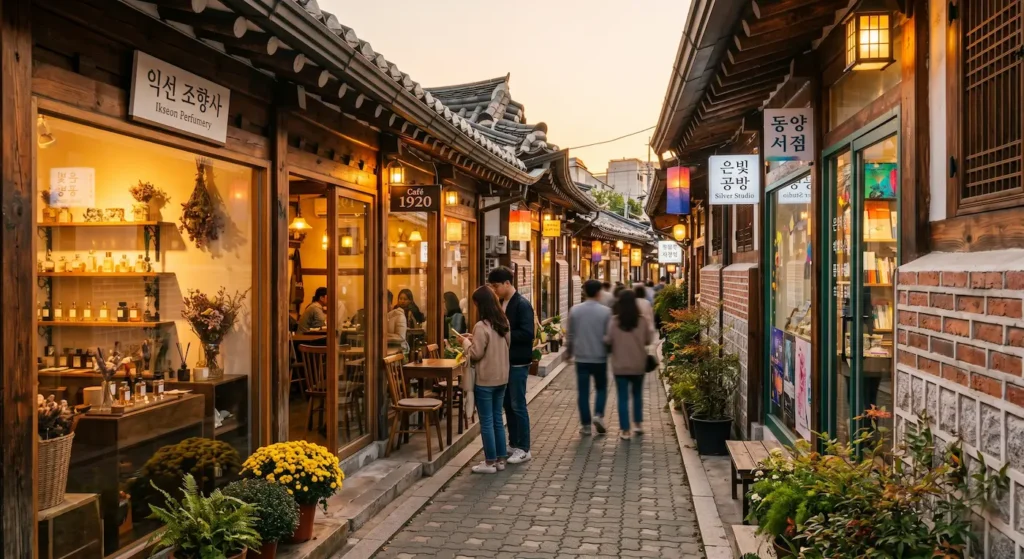
1920s traditional houses transformed into charming boutiques, perfume shops, and cafes. Far more intimate than Bukchon.
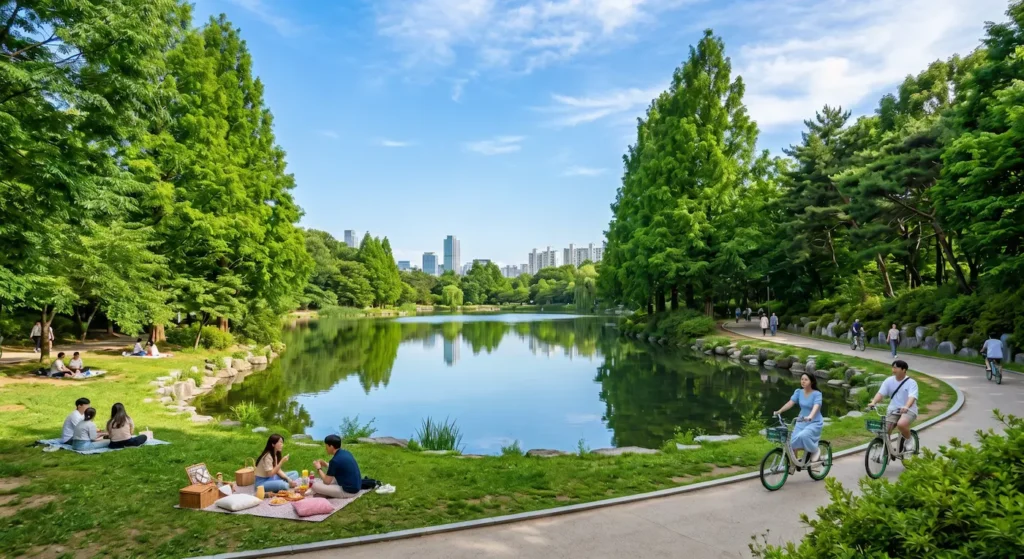
A massive green park with a deer sanctuary and “Mirror Lake.” Favourite for locals to picnic or rent a bike away from city bustle.
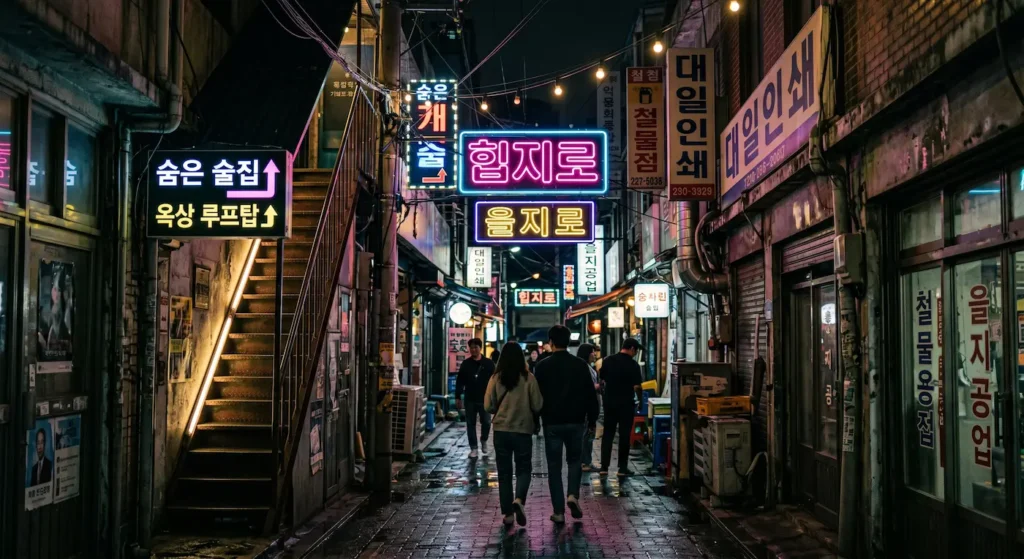
Old industrial printing district. By day: tool shops. By night: trendy neon-lit “Newtro” bars and hidden rooftop venues.
| RESTAURANT | LOCATION | BEST FOR |
|---|---|---|
| Osegyehyang | Insadong | 100% Vegan Korean classics (Black Bean Noodles) |
| Kyochon Chicken | Hongdae / Gangnam | Famous Honey Combo wings and drumsticks |
| Balwoo Gongyang | Jongno | Michelin-star Temple Food — authentic vegetarian course menu |
| Plant | Itaewon / Yeonnam | Modern Vegan/Vegetarian burgers, salads, cakes |
| Tosokchon | Near Gyeongbokgung | Samgyetang (Ginseng Chicken Soup) — Seoul's most famous |
| Vegan Insa | Ikseon-dong | Traditional Korean dishes in Hanok setting, entirely plant-based |
Centrally located, perfect for shoppers.
Mid-Range: Sotetsu Fresa Inn — ₹7,000–₹15,000 Luxury: Royal Hotel Seoul — ₹27,000+
Vibrant nightlife, indie boutiques, street performers.
Budget: Mangrove Dongdaemun — ₹5,000–₹10,000
Quiet, cultural, close to all main palaces.
Budget: The Stay Hue Myeongdong — ₹5,000–₹10,000
The upscale, high-tech center of Seoul.
Luxury: Josun Palace — ₹55,000+
Direct: ₹45,000–₹58,000 · Via
Singapore/Bangkok: ₹28,000–₹42,000
Round trip. Book 60–90 days in advance for best rates.
Round trip. Direct Korean Air and Asiana routes available.
Google Maps does NOT work for walking/bus in Seoul. Download Naver Map or KakaoMap immediately upon arrival.
Essential for all subways and buses. Purchase at any 7-Eleven or CU convenience store and top up with cash.
Significantly better than Google Translate for Korean. Use the camera feature to translate menus instantly.
Korea uses the two round-pin European plug. Bring a universal adapter. Indian two-pin chargers may work but verify.
Public bins are rare. Carry your trash until you find a designated disposal area – this is standard practice here.
Seoul is very dry. Bring a good moisturizer and lip balm, especially traveling in Spring or Autumn.
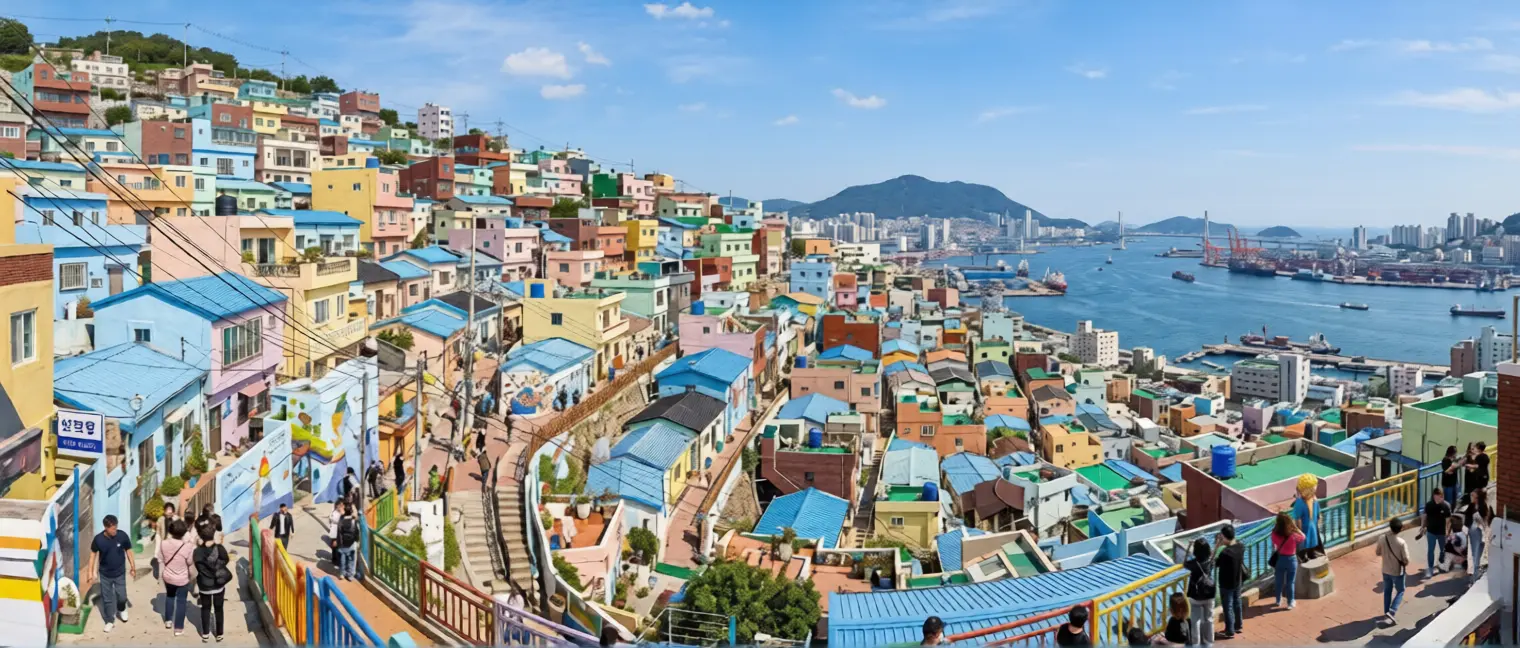
Korea’s second city – a vibrant port town of colorful hillside villages, world-class beaches, and some of the country’s best seafood markets.
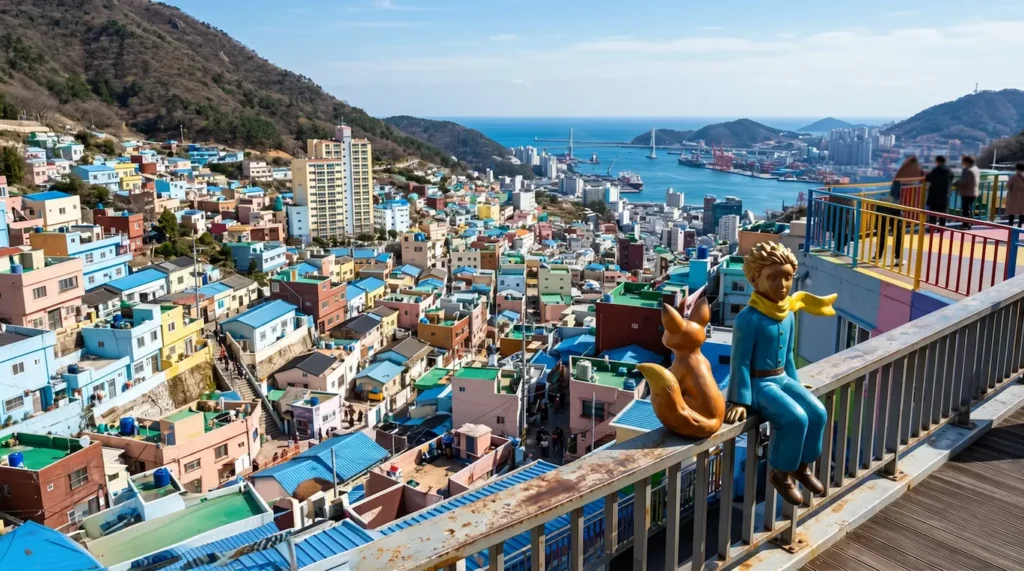
The “Santorini of Korea.” Colorful stepped houses and narrow alleyways. Buy a stamp map at the entrance to find the iconic Little Prince statue.
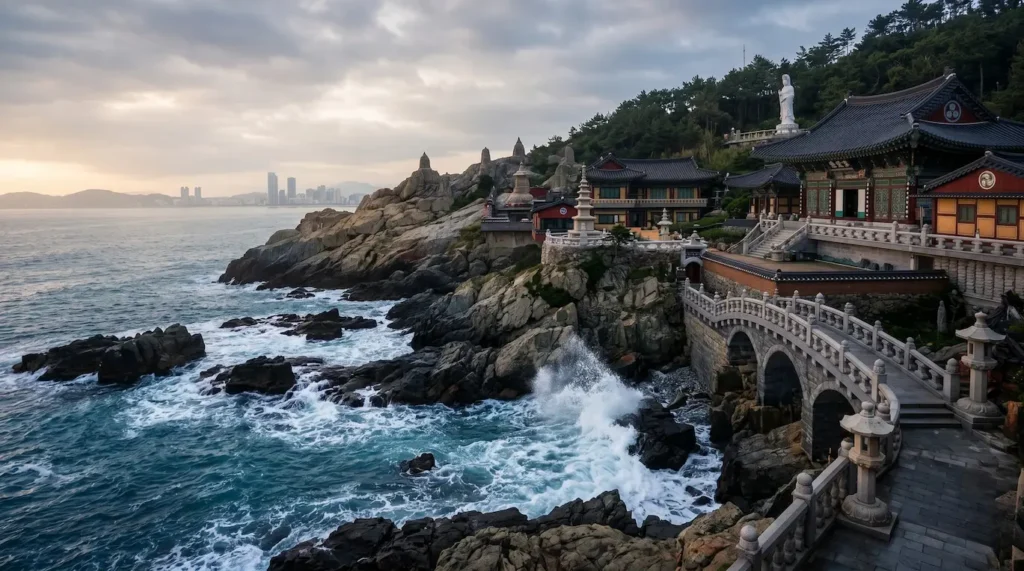
A rare coastal Buddhist temple on the cliffs. Majestic spiritual experience with waves crashing against stone steps.
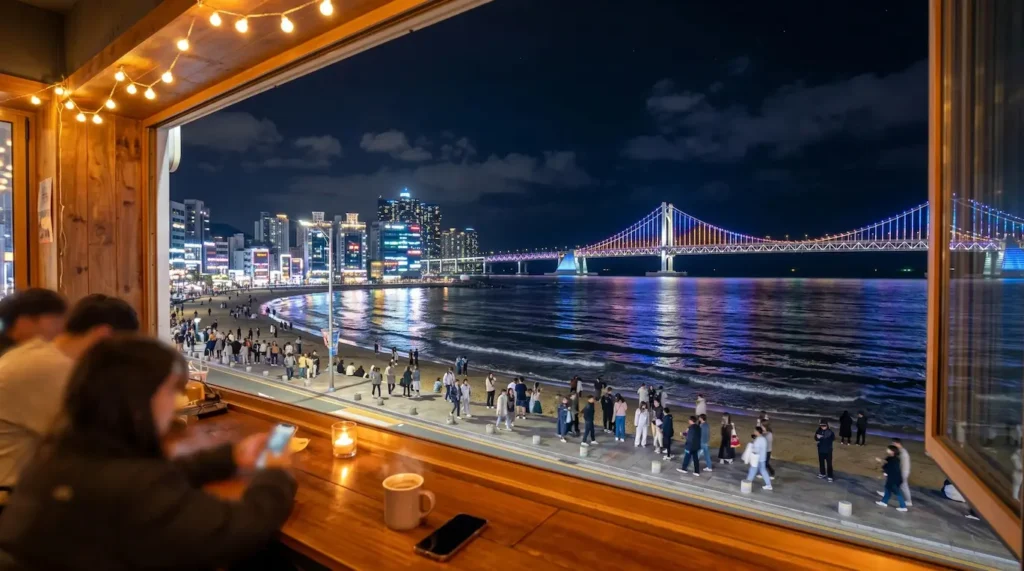
Best at night. The “Diamond Bridge” LED light show is spectacular. Beachfront cafes offer front-row seats to the spectacle.
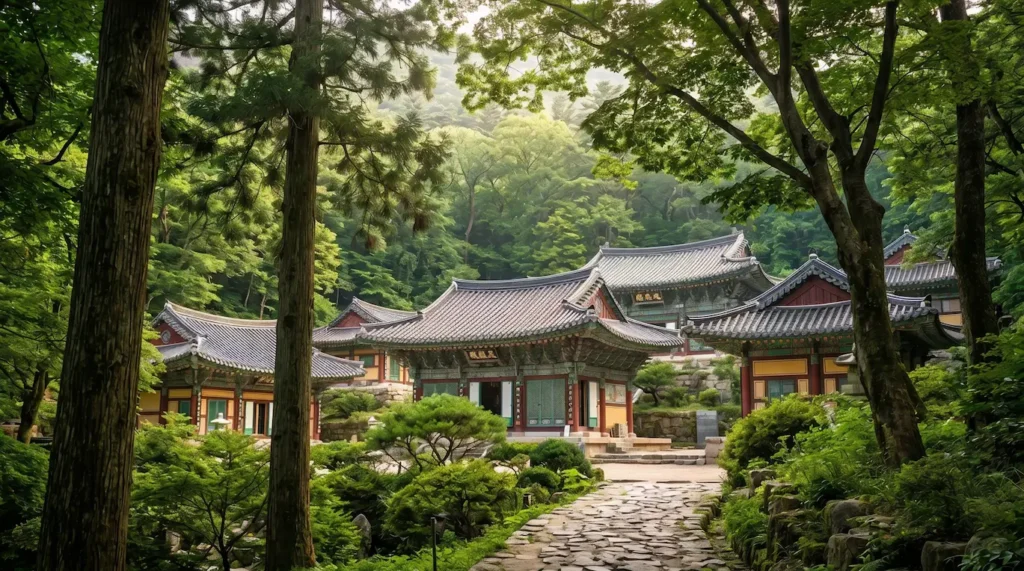
Tucked in the mountains. Serene “forest bathing” experience with traditional architecture far from the coastal bustle.
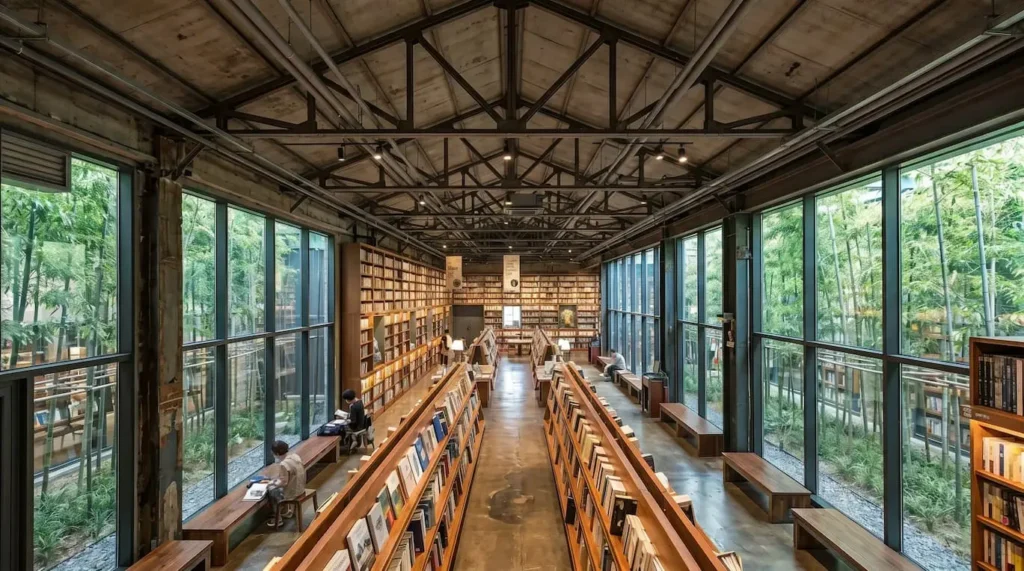
Former wire factory transformed into a sophisticated cultural hub. Includes a massive bookstore, bamboo forest, and art galleries most tourists miss.
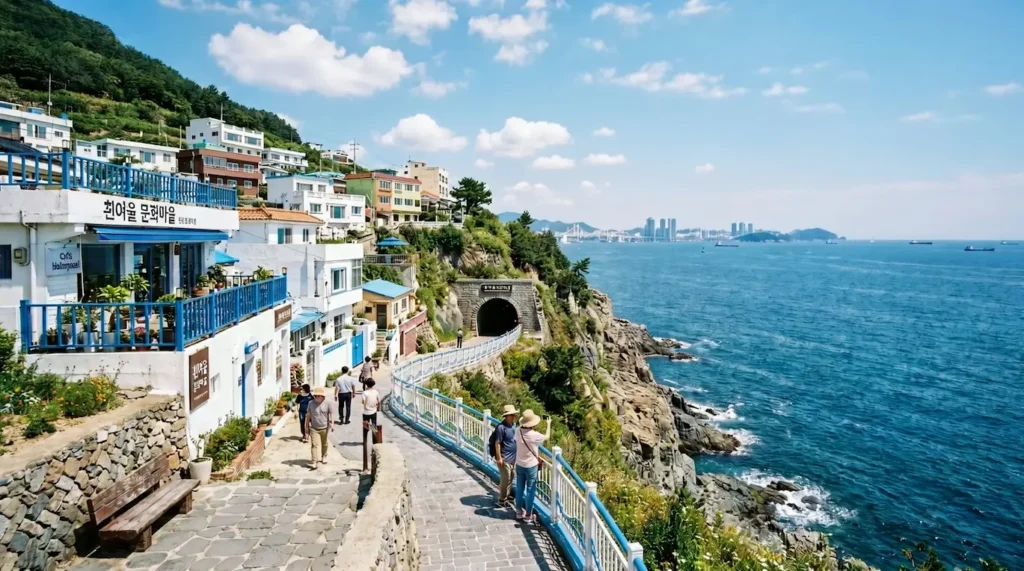
On Yeongdo Island. Stunning coastal tunnel and white-washed cafes overlooking the Pacific. Peaceful alternative to Gamcheon.
| RESTAURANT | LOCATION | BEST FOR |
|---|---|---|
| Vegenarang | Gwangalli | 100% Vegan with beach views; famous for Avocado Sushi |
| Dajeon | Seomyeon | Peaceful Vegetarian spot with temple-style food |
| Kyochon / bb.q Chicken | Various | Gold standard for chicken. Try "Honey Combo" or "Golden Fried" |
| Jack and the Beans | Haeundae | Vegetarian wraps, soups, and egg-based breakfasts |
| Eonyang Bulgogi | Suyeong-gu | Excellent grilled chicken and veggie side dishes |
Most popular for international visitors.
Luxury: Signiel Busan – ₹25,000+ Mid-Range: Shilla Stay Haeundae – ₹11,000-₹16,000
Best for transportation and local shopping.
Budget: Arban Hotel – ₹6,000 – ₹9,000
Close to markets and Diamond Tower.
Budget: Stanford Hotel Busan – ₹5,000 – ₹8,000
₹36,000–₹55,000 round trip. Usually 1 stop via Singapore, Bangkok, or Vietnam.
USA/Europe: $1,550 – $2,050
For stays over 24 hours, this is essential. Free entry to 30+ attractions and includes a T-Money transport card.
Essential for all subways and buses. Purchase at any 7-Eleven or CU convenience store and top up with cash.
Busan is built on mountains. Culture Villages require climbing hundreds of stairs – wear comfortable footwear.
Swimming restricted to designated areas and hours. Lifeguards are very firm about these rules. Check signage.
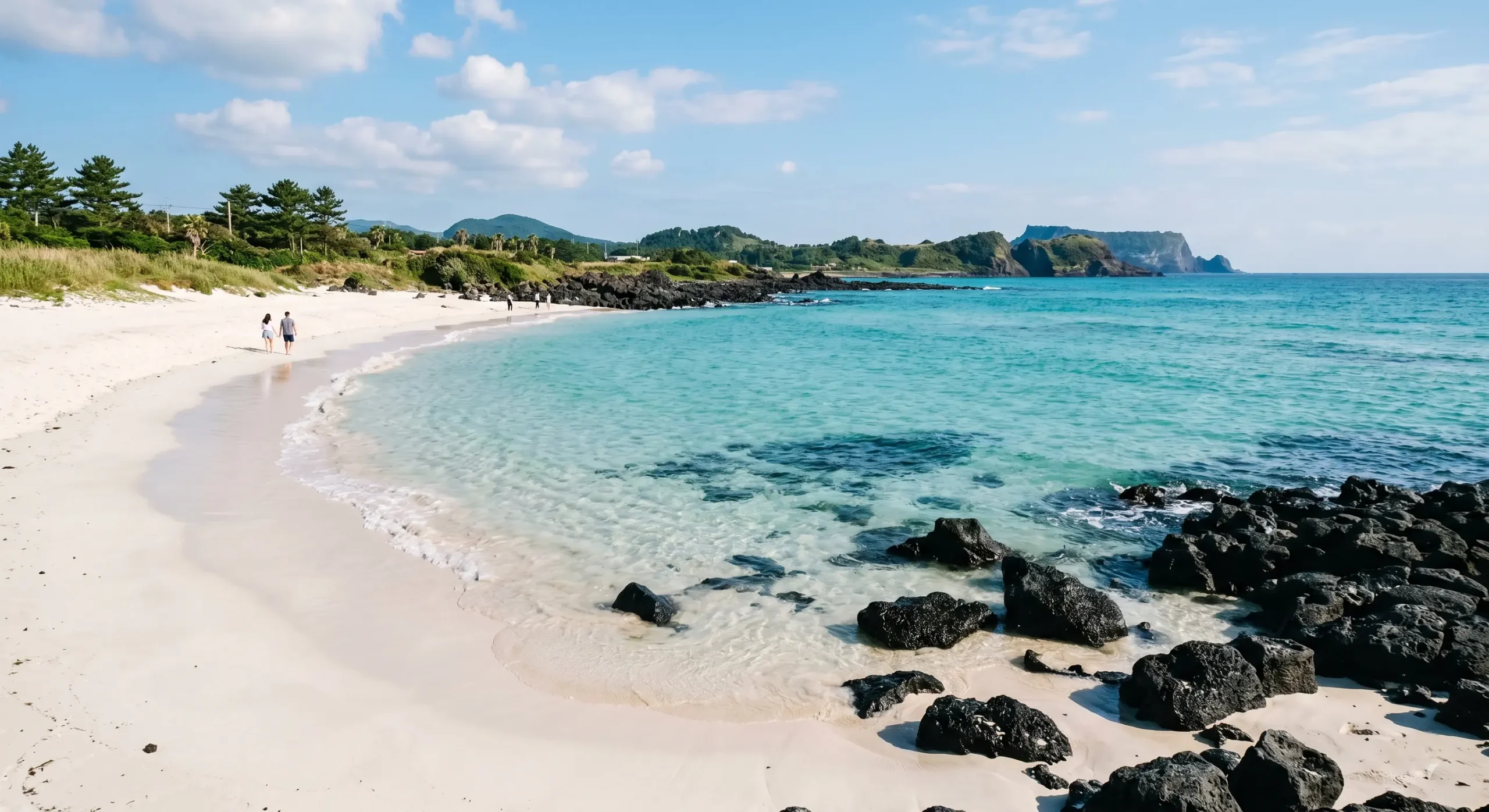
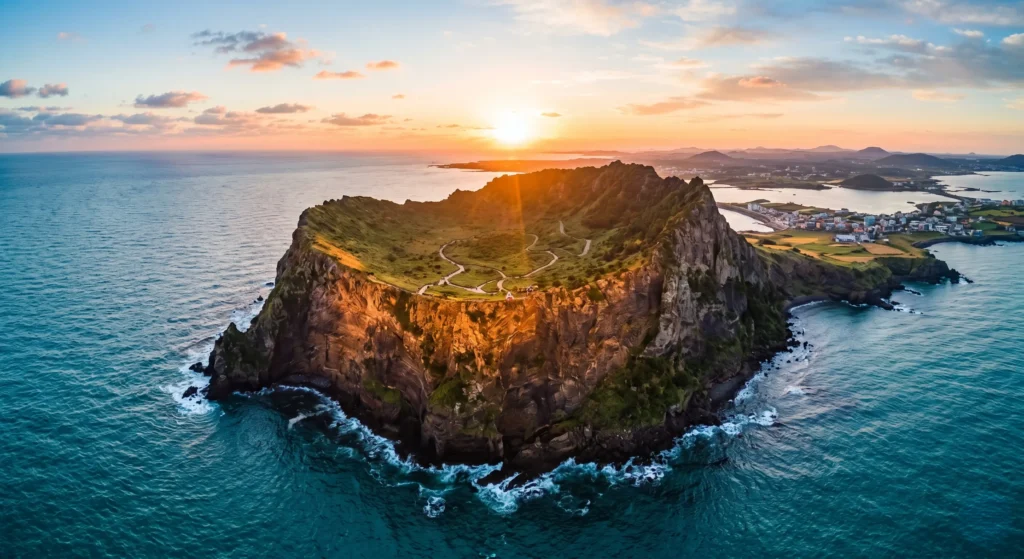
UNESCO World Heritage volcanic tuff cone. The 20-min hike offers a breathtaking crater view. Best experienced at sunrise.
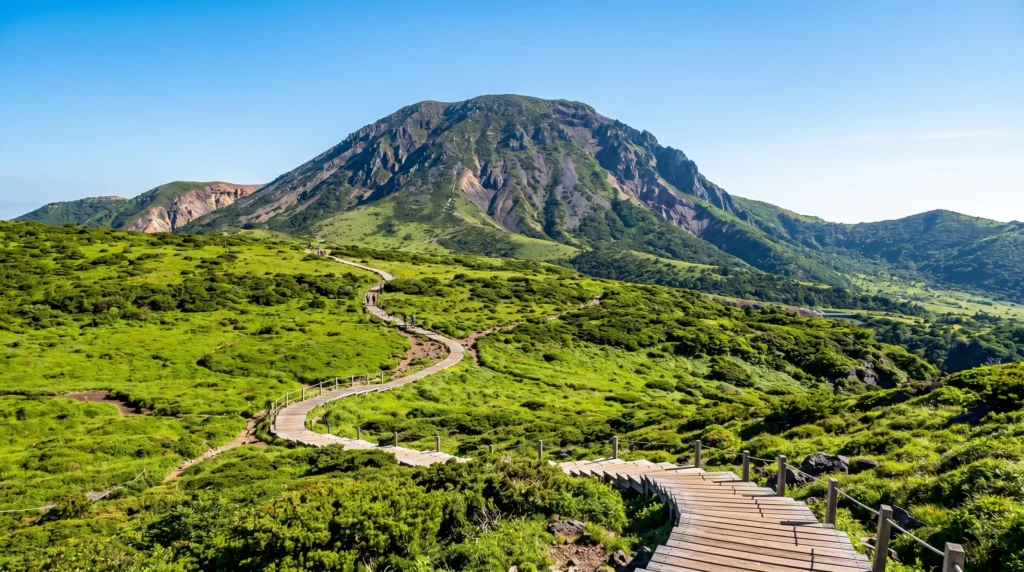
South Korea’s highest peak – a dormant volcano. The Eoseungsaengak Trail (30 mins) gives stunning views without a full-day commitment.
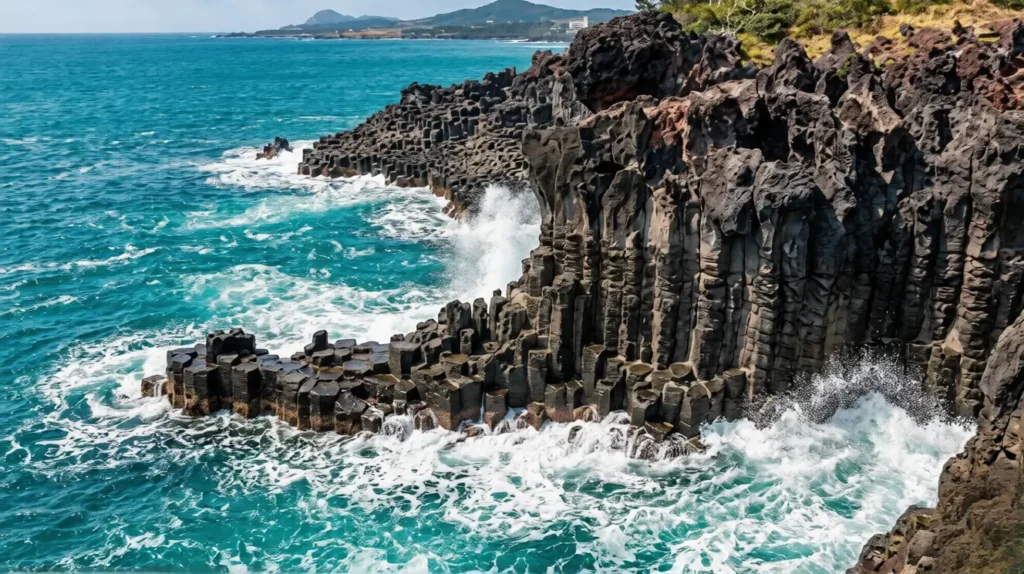
Striking hexagonal rock columns formed by cooling lava. These stone pillars look hand-carved – a testament to Jeju’s volcanic origins.
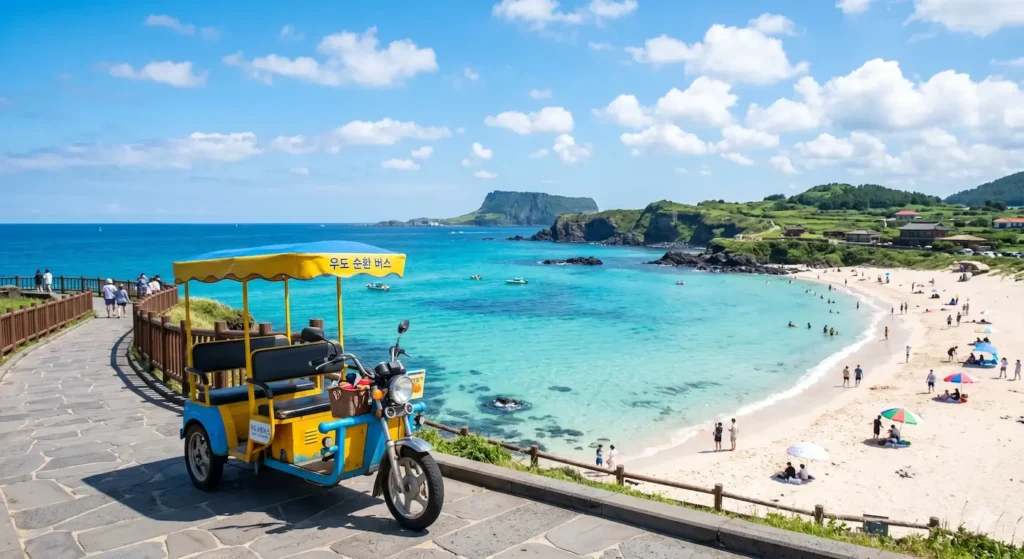
15-min ferry from east Jeju. Rent an electric tricycle to explore white sand beaches. Try the famous Udo Peanut Ice Cream.
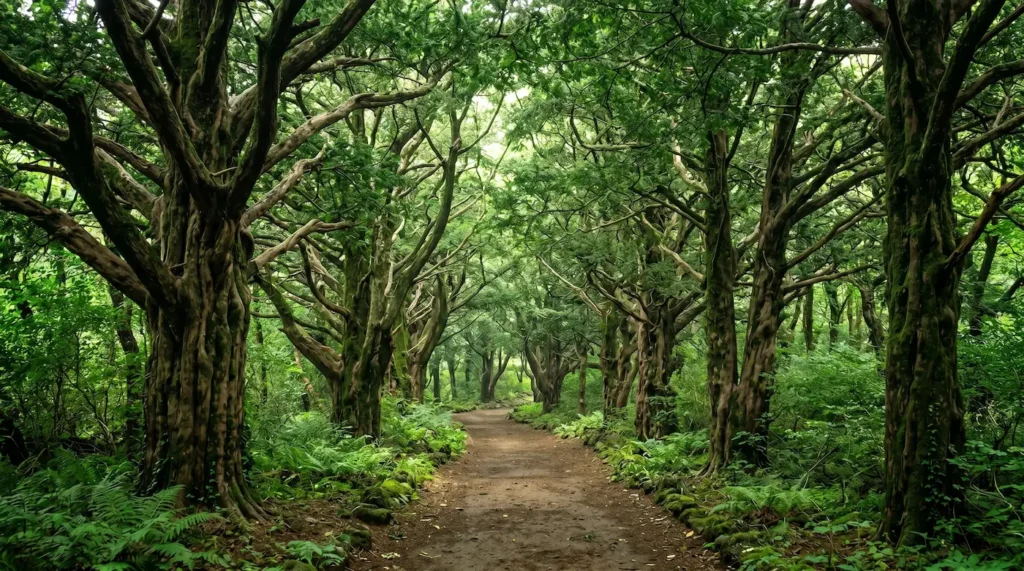
2,800+ nutmeg trees, some 800 years old. An “oxygen bomb” forest perfect for a peaceful, shaded walk.
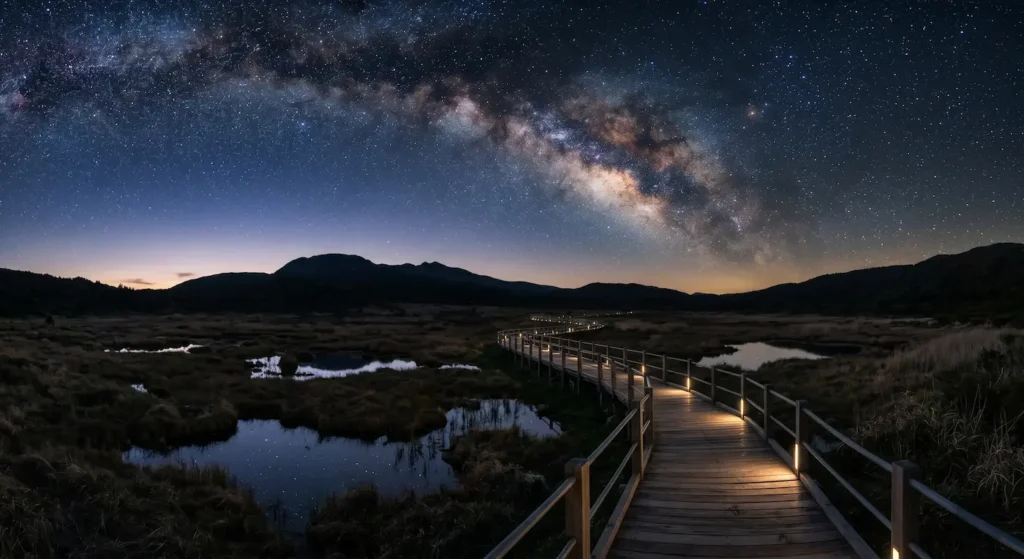
Highest point accessible by car on Jeju. Boardwalk through a rare wetland ecosystem. Clearest stargazing at night.
| RESTAURANT | LOCATION | BEST FOR |
|---|---|---|
| Soopsok-eu Dotori | Jeju City | Vegetarian Acorn-based dishes including Acorn Jelly Bibimbap |
| Asalam | Jeju City | Middle Eastern Halal/Veg — Hummus, Falafel, and Chicken Mandi |
| bb.q Chicken | Various | Famous for Golden Olive Chicken and honey-glazed drumsticks |
| The Flexible Baker | Sagye-ri | Fully Vegan Bakery — American-style pies and gluten-free treats |
| Gudrak | Seogwipo | Traditional Korean Vegetarian courses using local Jeju wild greens |
Best for short stays and convenience.
Budget: Hotel Regent Marine – ₹6,000 – ₹10,000 Mid-Range: Grand Hyatt Jeju – ₹18,000 – ₹25,000
Best for luxury, beaches, and waterfalls.
Luxury: The Shilla Jeju – ₹35,000+ Lotte Hotel Jeju – ₹30,000+
Best for sunset cafes and coastal vibes.
Mid-Range: Marevo Beach Hotel – ₹10,000 – ₹15,000
Best to hike Sunrise Peak early morning.
Budget: Co-op City Hotel Seongsan – ₹5,000 – ₹8,000
Jeju is best by car. You MUST have a physical 1949 Geneva Convention IDP. Indian licenses or digital copies are not accepted.
Weather varies wildly between North (Jeju City) and South (Seogwipo). Always pack an umbrella and windbreaker.
Many Jeju rental cars are electric. Use Naver Map to filter for charging stations – they are abundant island-wide.
Valid for at least 6 months with 2 blank pages available.
Duly filled and signed. Use black or blue ink only.
Two recent 3.5cm × 4.5cm colour photos with white background.
Last 6 months’ bank statements – original, stamped by the bank.
Income Tax Returns for the last 2 years.
Salary slips for 6 months + Leave Approval Letter (NOC) from employer.
Confirmed round-trip flight tickets and hotel booking confirmation for the entire stay.
KVAC in New Delhi or Kolkata, or VFS Global. Apply at least 4 – 6 weeks before travel.
From underground fashion malls to K-beauty flagships and artisan markets – Korea is a shopper’s paradise at every budget.
Indie fashion, creative accessories, and the global face of K-beauty.
The Hyundai has an “Indoor Forest.” Shinsegae Myeongdong is iconic for its media facade.
Massive underground COEX network includes the famous Starfield Library.
Flagship “luxury palaces” for Dior, Chanel, and every major house.
Vintage finds and local apparel in the alleyways. Haggling is welcome.
The world’s largest department store. Includes a spa and ice rink inside.
Outlet-style mall near the coast, perfect for discounted brand shopping.
While most stores take cards, Gukje Market stalls often prefer cash.
Jeju City’s main shopping street for brand-name sneakers and casual wear.
Local hallabong-themed goods and authentic Jeju souvenirs.
Upscale shopping street with international and Korean brands.
Look for haenyeo (female diver) inspired crafts and volcanic stone goods.
| CATEGORY | TOP SPOTS |
|---|---|
| Skincare | Olive Young Flagships (Myeongdong/Gangnam) and Sephora Korea |
| Makeup | Chicor (Shinsegae's beauty store) and road shops like Espoir or 3CE (Stylenanda) |
| Clothes & Bags | Musinsa Standard (Seoul/Busan), Matin Kim (Seongsu), and Goto Mall (Express Bus Terminal) |
| Hidden Spots | Pyounghwa Market (vintage bags) and Seongsu-dong showrooms hidden in old factories |
| 24-Hour Shopping | Dongdaemun Fashion District (wholesale: 8 PM–5 AM) and GS25/CU for viral snacks |
10-pack sheet masks, trending sunscreen, two popular serums (Anua or Skin1004)
3 trendy pieces from Goto Mall (₩10,000–₩30,000 each)
Stylish Korean-brand tote bag or surgical steel jewellery pieces
HBAF almonds, premium ramyeon, market-made seaweed packs
South Korea is the global epicentre of aesthetic medicine and K-beauty wellness rituals — offering world-class procedures at a fraction of Western prices.
| V-Line Jaw Contouring | ₹4.5L – ₹6.5L |
| Double Eyelid (Blepharoplasty) | ₹60,000 – ₹1.2L |
| Barbie-Line Rhinoplasty | ₹2.5L – ₹4L |
| Skin Boosters (Rejuran Healer) | ₹15,000 – ₹25,000 |
| Masseter Botox (Jaw Slimming) | ₹4,000 – ₹8,000 |
| Seshin (Full Body Scrub) | ₹2,500 – ₹20,000 |
| Hanbang (Herbal) Steam | Mugwort & Ginger ritual |
| Tansan (Carbonated) Baths | Jeju specialty · ₹1,000 |
| Jjimjilbang Entry | ₹1,000 – ₹1,500 |
| Hanbang Massage | ₹4,000 – ₹45,000 |
Seoul
→ Luxury Surgery: JK Plastic Surgery, ID Hospital
→ Budget Skin: Lienjang Clinic, Abijou Clinic
→ Luxury Spa: Sulwhasoo Flagship (₹10,000–₹25,000/session)
→ Budget Spa: Sparex Dongdaemun (₹1,200 entry)
Busan
→ Luxury Surgery: She’s Plastic Surgery (eye surgery specialist)
→ Budget Skin: Oracle Dermatology (brightening treatments)
→ World-Class Spa: Spa Land Centum City (₹1,500–₹2,000 entry)
→ Budget Spa: Hill Spa Haeundae (ocean views · ₹1,200)
Jeju Island
→ Luxury Spa: The Annex Bio-Spa, Grand Hyatt Rosebay Spa
→ Unique Tech: Sanbangsan Tansan Spa (carbonated springs · ₹1,000)
→ Stone Therapy: High-end volcanic stone rituals exclusive to Jeju
🧾 VAT Refund: Eligible for 10% tax refund on cosmetic surgeries. Bring your passport to receive a “Tax-Free” certificate.
🗂️ Consultation Fees: High-end clinics charge ₹2,500–₹6,000, usually deducted from total cost if you proceed.
✅ KAHF Certification: Ensure your clinic is KAHF-certified (Korea Accreditation Program for Hospitals Serving Foreign Patients).
📱 Gangnam Unni App: See “real-price” promotions and unfiltered patient photos before booking any procedure.
South Korea’s four seasons offer vastly different experiences. The secret is identifying “shoulder” periods with the best weather and the lowest crowds.
March — May
Cherry blossoms paint Seoul and Busan pink. Early April for Seoul; late March for Jeju. Sweet spot: mid-May – crowds gone, weather 18 – 22°C.
✦ Lotus Lantern Festival · Jinhae Gunhangje
June — August
Coastal vibrancy in Busan and Jeju. Best window: early June before the Jangma (monsoon) hits. Beaches fill from late July onwards.
✦ Boryeong Mud Festival · Busan Sea Festival
September — November
Red and orange mountains, ginkgo-lined streets. Late October for peak foliage. Shoulder: late September – crisp air and lower prices.
✦ Andong Mask Dance · Seoul Fireworks Festival
December — February
Lowest prices of the year. Best skiing in Gangwon-do. Early December is the sweet spot – festive city lights before the deep Siberian chill.
✦ Hwacheon Ice Festival · Jeju Fire Festival
| SEASON | DAILY COST PER PERSON (INR) | BUDGET IMPACT |
|---|---|---|
| Spring (Mar–May) | ₹14,000 – ₹18,000 | High — peak tourism; flights/hotels are priciest |
| Summer (Jun–Aug) | ₹12,000 – ₹16,000 | Moderate — high for beaches, lower for cities |
| Autumn (Sep–Nov) | ₹13,000 – ₹17,000 | High — foliage drives up accommodation prices |
| Winter (Dec–Feb) | ₹9,000 – ₹13,000 | Lowest — excellent city value; peak for ski resorts |
Late March to early May: fine dust storms from China. Locals wear KF94 masks. Pack some masks if traveling in spring.
Late June through July rain is torrential. Prioritize COEX Mall, Lotte World, and museum hopping during this period.
Avoid traveling between cities during Chuseok or Seollal. Trains are fully booked and traffic is legendary.
🚇
The most efficient way to get around any Korean city. Works seamlessly with a T-Money card, available at all convenience stores.
₩1,400 – ₩1,600 per ride
🚄
Seoul to Busan in under 2.5 hours. Book via the Korail website or Naver. Reserve seats in advance during weekends and holidays.
₩59,800 (Seoul–Busan) ≈ ₹3,600
🚕
Abundant and affordable. Download Kakao Taxi (works with international credit cards). Night surcharges apply after midnight.
Base ₩4,800 · 15 min ≈ ₩12,000
💱
Best rates at Myeongdong money changers — significantly better than airports. Avoid exchanging large sums at arrival terminals.
Korea is 100% cashless-friendly
📱
Naver Map or KakaoMap for navigation · Papago for translation · Subway Korea for metro · Kakao Taxi for rides.
All free to download
💳
Apple Pay and international credit cards work almost everywhere. Keep ₩50,000–₩100,000 cash for markets and smaller street stalls.
Nearly 100% cashless economy
Get expert guidance and build a clear, step-by-step migration plan today.